NSE ●BSE ●

The agriculture industry is currently experiencing fundamental changes. Modern farmers
need to achieve two goals because they want better crop production and they seek
environmentally friendly agricultural methods. The increased market demand for biological solutions has forced agrochemical companies to change their business approaches, which include extensive financial backing for their research.
Biologicals represent one of the most rapidly expanding market segments within agriculture. Farmers use these natural products which include biofertilizers and biostimulants and biopesticides, to increase their farm output while decreasing their use of dangerous chemical substances. Agrochemical companies are turning to environmentally friendly solutions, which are based on natural methods, because of the increasing effects of climate change and soil deterioration and consumer knowledge.
Biologicals are products that scientists create through their research on natural materials which include microorganisms and plant extracts and beneficial bacteria and fungi and organic materials. These products protect crops and enhance soil health and improve natural nutrient uptake.
Biological products operate in complete harmony with natural ecosystems because they differ from standard chemical substances. They help farmers achieve sustainable agricultural practices, which result in successful crop growth and financial gains.
Biologicals are generally categorized into three main groups:
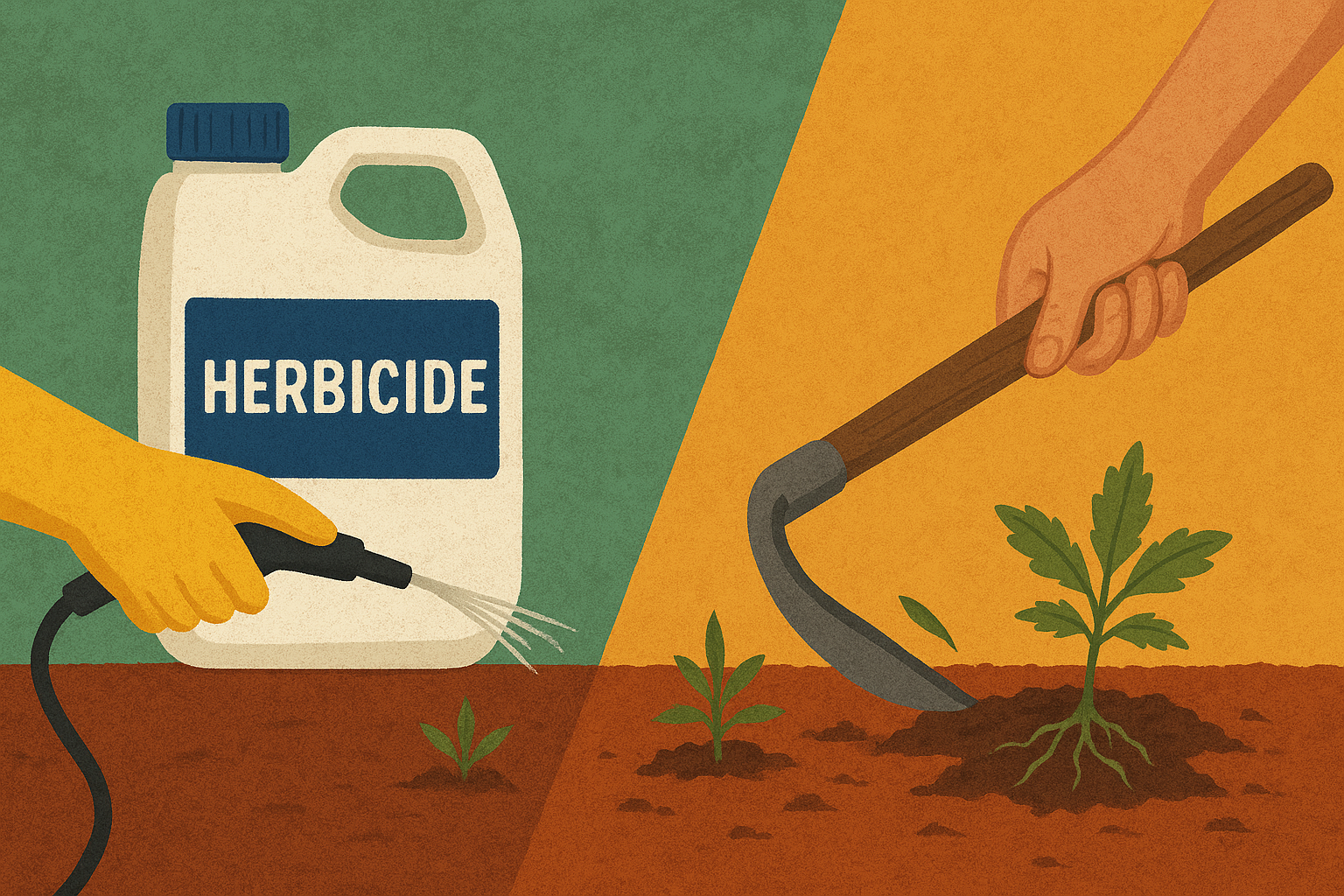
Biopesticides comprise the natural protection products, which are applied to the plants for controlling pests, diseases, and weeds. In general, biopesticides are considered safe in terms of keeping beneficial insects and the environment.
These biofertilizers consist of natural microorganisms that enhance the availability of nutrients in the soil, leading to the growth of healthy plants.
These substances encourage the overall wellness of the plant, increase the plant's capacity to withstand stress, and enhance the assimilation of nutrients; therefore, these products can enable the crops to yield well even in the harshest environmental conditions.
The transition to biologics is, of course, a result of the well-thought-out changing of priorities, strategies and business models of agrochemical companies.
World farmers are gradually becoming conscious of the environmental, economic and social consequences of their heavy reliance on chemical crop protection and synthetic fertilizers. These agricultural inputs, if used continuously, can deteriorate the quality of soil and water and threaten biodiversity.
In addition to this, consumers are becoming more vociferous in their demands for food that is safe, clean and healthy. All these factors combined have made agrochemical companies strongly focus on sustainability aspects of crop protection and nutrition whereby these solutions are in total harmony with agricultural practices of the current times.
Biologicals present an excellent solution for farmers as they provide a means to enhance crop production without causing harm to the natural environment.
In modern farming the problem that affects the success of crop production the most could be said to be the resistance that pests and diseases develop to the chemicals. Therefore, revisiting a chemical to which the pests and diseases have already developed resistance will not give the same level of protection as it did the first time that it was applied.
On the other hand, resistance of pests and diseases to pesticides can be better managed with the use of biological pesticides because they have a completely different mode of action. For that reason, most of the time agrochemical companies nowadays are focusing on the combination of chemical and biological pesticides for the development of their integrated pest management programs, which, among other benefits, results in the farm being more productive in the long run.
Governments and regulatory bodies globally are updating their rules related to the use of chemical pesticides. There are increasing demands for lower pesticide residue levels, more environmental safety, and non-toxic chemicals.
Therefore, agro chemical manufacturers are turning to biological research as a way to comply with regulatory frameworks of the future while still fulfilling their role in agriculture. Nature-derived methods are usually considered as less risky alternatives and can also assist agro chemical companies in responding to modifications in agricultural laws.
Without a doubt, the key to efficient agriculture is soil of top quality. Application of chemicals in excess is one of the culprits responsible for the dwindling fertility of soils in various parts of the world.
Biological materials contribute to the reactivation of microbes, the betterment of nutrient cycles, and the rise in organic matter. All these factors are pointing towards the sustainability of farming and higher crop yields.
To some extent, agro chemical firms still count on the use of chemical fertilizers. However, they also advocate the usage of biologicals as a part of integrated soil health schemes.
The farming community is particularly vulnerable to the hazards of changing climatic conditions, such as erratic weather, drought, increase in salt content of soil and heat stress. Biological products present a natural way of increasing the plant's capacity to endure stress caused by the environment.
The application of crop stimulators and microbes is continuously growing in order to enhance the defense mechanisms of plants and yield of crops even after exposure to unfavorable conditions.
As the agriculture sector is moving towards climate-friendly farming practices, it is also motivating agro chemical manufacturers to increase their biological product portfolio.
The increasing use of biologicals is benefiting farmers in several ways as well as improving the agricultural ecosystem.
As a rule, biologicals are biodegradable and do not cause great harm to non-target organisms, so they are green products.
Naturally biofertilizers and microbial products work on improving the soil's physical attributes and nutrients.
Certain biological solutions enhance the traits of crops such as the look, duration on the shelf, and quality in general.
There are times when biologicals can also be used with conventional chemical crop protection products, thereby giving farmers more choices.
Nature-inspired solutions enable farming sustainability for a long time without overburdening the environment.
The following things done by agrochemical companies show that biologicals are becoming an integral part of mainstream agriculture.
Besides the advantages of biologicals, there are still some issues that are critical.
Farmer Awareness A lot of farmers do not know the biological products' mode of action or how to use them to get the best results.
Storage and Handling In order to remain effective, some biologicals require specific storage conditions.
Variable Field Performance The action of biologicals is dependent on environmental factors such as temperature, humidity, and soil.
Need for Technical Guidance Besides technical input and training, farmers need guidance for a successful adoption of solutions.
In order to resolve these issues, agrochemical companies are heavily investing in farmer
awareness programs, demonstrations in the field, and offering technical help.
The agricultural industry enters its next phase, which requires agricultural operations to maintain their productivity while protecting the environment. The agricultural sector now requires agrochemical companies to develop new natural solutions that will enhance crop health and safeguard environmental resources.
Farmers use biological products to solve present-day agricultural problems, which include soil degradation and climate stress and pest resistance and new regulatory requirements. The growing popularity of these practices demonstrates that farmers are moving toward more effective and environmentally friendly agricultural methods.
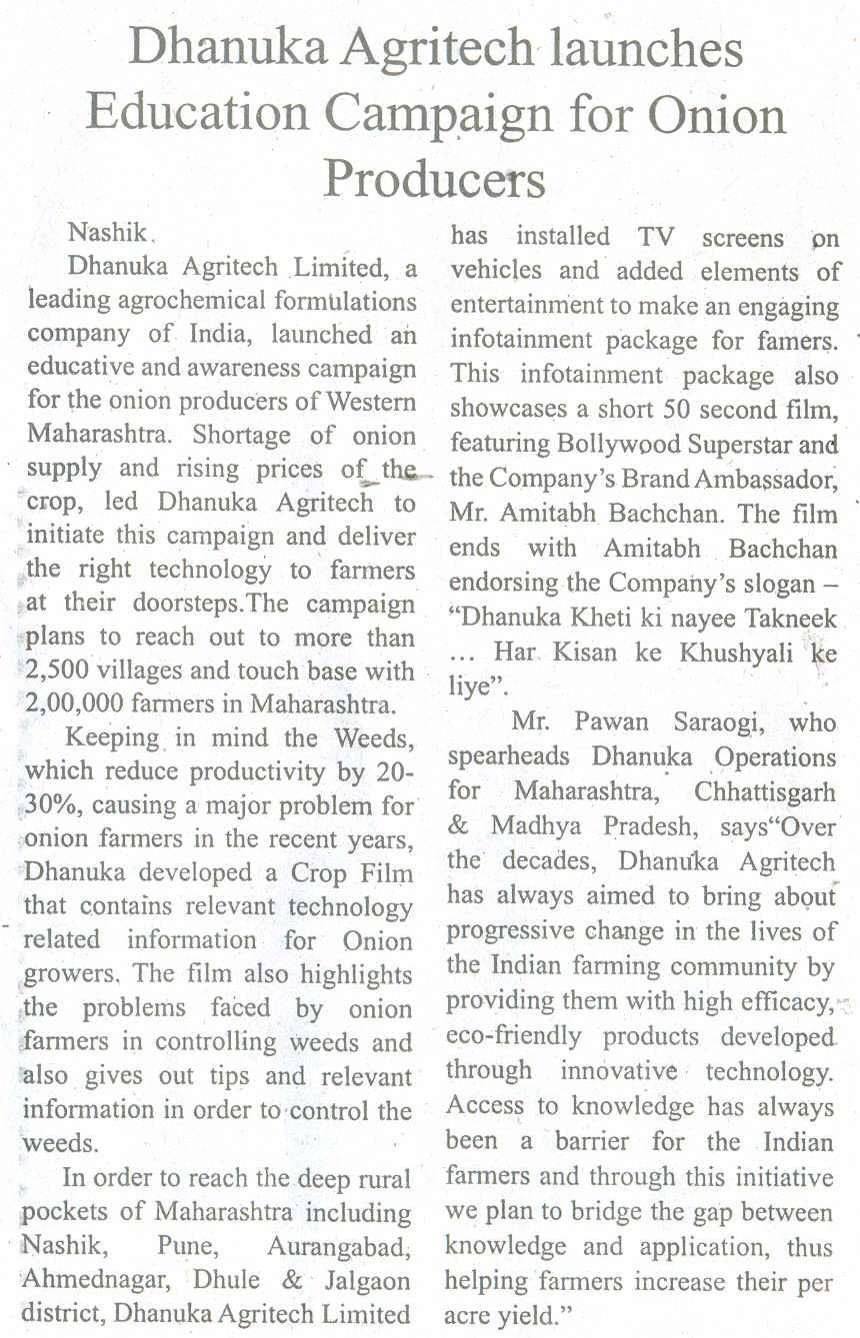
Dhanuka Agritech provides Indian farmers with advanced crop protection and plant nutrition products, which help shape the future of agriculture. Dhanuka supports sustainable agricultural methods through its research-based agricultural practices and development of modern agricultural technology and farmer-focused solutions.